
Where protein hides in a normal day of eating
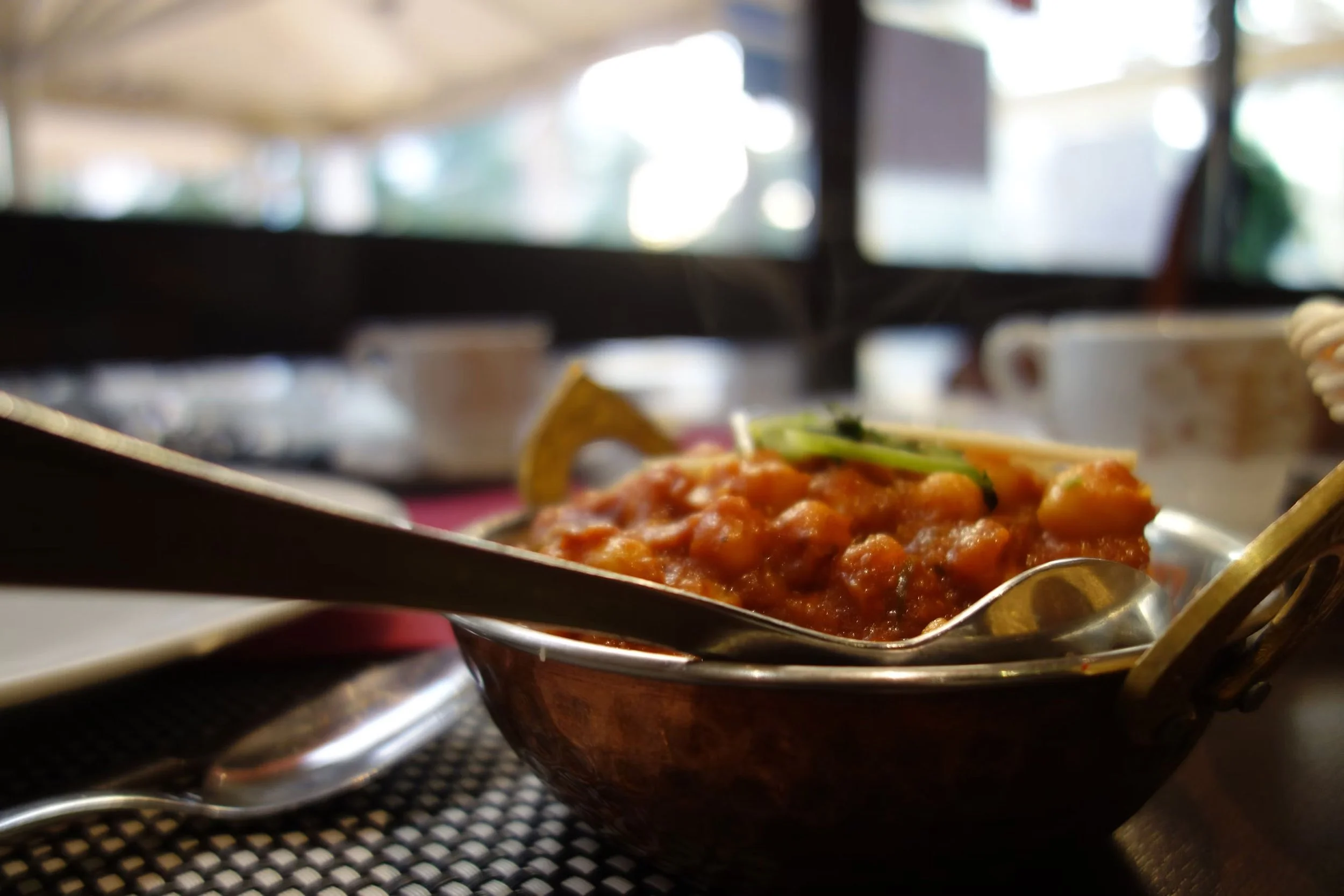
Photo by Kelcie Papp on Unsplash
The protein conversation usually starts in the wrong place. It starts with worry, as if protein were rare and you needed a plan to hunt it down. So let's try the opposite: walk through one completely ordinary day of plant-rich eating and just notice where the protein already is.
No tracking. No powders. Just nutritious meals. We'll put a rough protein number next to each one, not as a target to hit, but as proof of how fast it stacks up when you aren't even trying. (The numbers are approximate and shift with your portions and brands.)
Breakfast, about 30 grams
Oatmeal, made with soy milk instead of water, with peanut butter stirred in and hemp seeds on top. That's four protein sources before 8am, and you weren't even trying. A hearty bowl of oats brings around 10 grams on its own, which surprises people. A cup of soy milk matches dairy at roughly 7. Two spoonfuls of peanut butter add about 7 more, and a scoop of hemp seeds brings close to 9.
It isn't only protein, either. The oats carry the beta-glucan fiber that keeps you full through a morning session, the hemp adds omega-3 fats, and fortified soy milk quietly brings calcium and iron.
If you're a savory breakfast person, a tofu scramble on toast does the same work in a different costume.
Lunch, north of 20 grams
A burrito bowl: rice, black beans, corn, salsa, guacamole. A cup of black beans alone is around 15 grams, the rice and corn add several more, and the avocado rounds it out. Or a sandwich built on hummus with whatever vegetables are in the fridge. Or last night's leftovers, which is the correct answer most days.
Beyond the protein, the beans and corn stack real fiber, and the avocado brings potassium and the kind of healthy fat that makes a midday meal actually hold you.
Notice the pattern. You didn't add protein to these meals. Beans, hummus, and grains simply come with it. That's the thing the worry always misses: in plant-rich eating, protein isn't a separate item on the list. It's a property of the food you were already eating.
The afternoon snack, another 8 to 10 grams
A handful of trail mix, roasted chickpeas, edamame if there's a bag in the freezer, or an energy ball from the batch you made Sunday. A half-cup of edamame brings about 9 grams by itself, with fiber, iron, and folate riding along. Snacks are quiet contributors. They don't need to be impressive, they just need to be nutrient-dense.
Dinner, around 25 grams
This is where the day banks most of its protein without ceremony. A stir-fry over rice with crispy tofu. Pasta with lentil bolognese. A curry with chickpeas. Tacos with seasoned black beans. Pick any weeknight default and there's a protein anchor sitting in the middle of it: tofu, tempeh, lentils, beans, seitan. Half a block of tofu is around 15 grams; a cup of lentils in that bolognese, closer to 18. The colorful vegetables alongside bring the antioxidants that actually drive recovery between sessions.
The point
Add it up (without actually adding anything up): that ordinary day lands somewhere around 80 to 90 grams of protein, from multiple directions, with zero planning and no special products. That's a normal day, not an optimized one.
Protein anxiety survives on the idea that plants make you work for it. A single honest look at your own plate, numbers and all, is usually enough to retire the idea. The protein is already there. Your job is just to eat like someone who trains, which you were going to do anyway.
Want the meals behind a day like this? The Beta's recipe collection is the place to start.
