
Soy, settled: what the science actually says
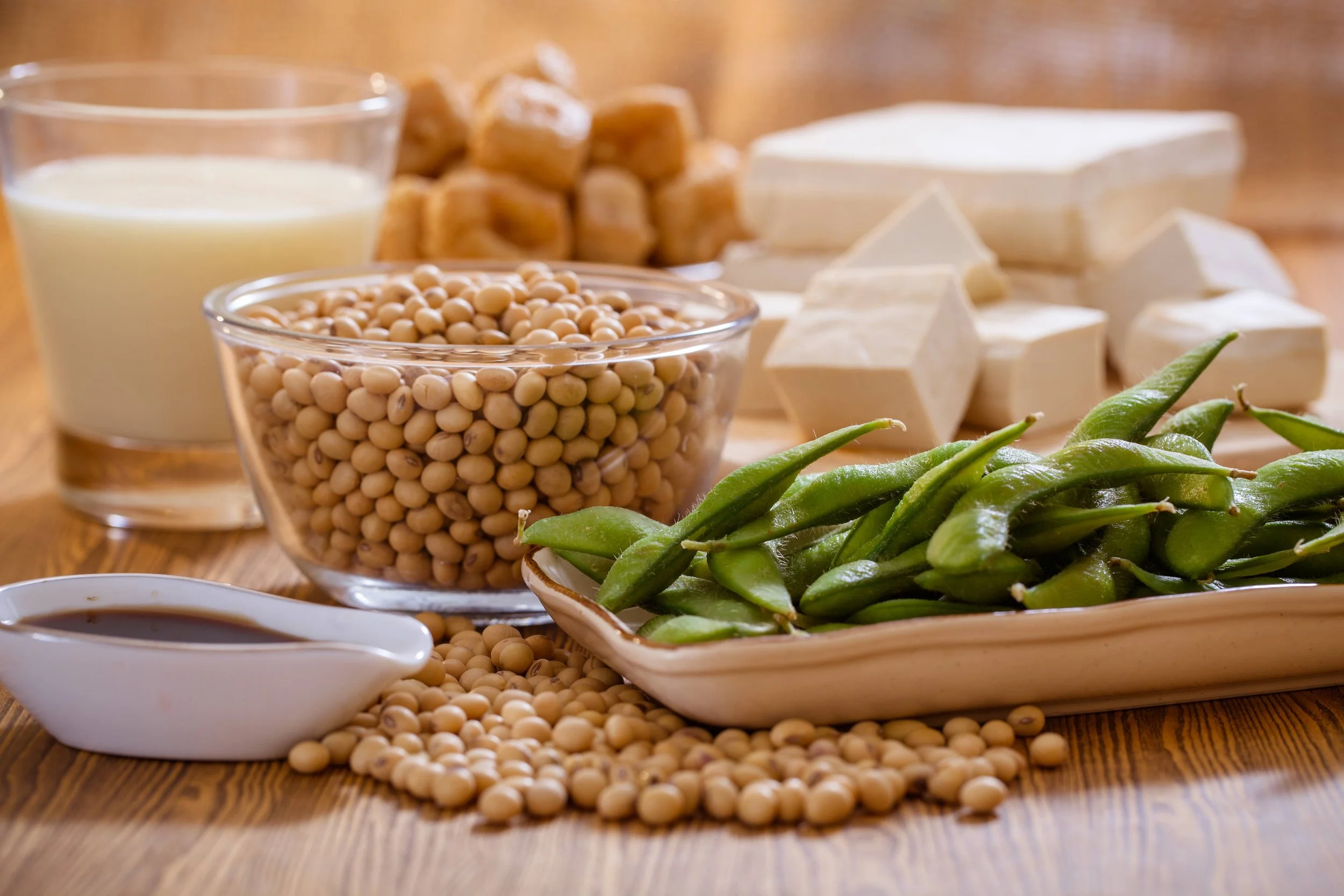
Few foods have been through the rumor mill quite like soy. Depending on which corner of the internet you've wandered into, tofu is either a perfect protein or a hormonal hazard. For climbers, who mostly just want to know can I train on this, the noise is worse than useless.
So, let's do the calm version.
Where the worry came from
Soy contains isoflavones, plant compounds that are structurally a little similar to estrogen. That similarity launched two decades of scary headlines and gym-floor folklore, most of it extrapolated from early rodent studies using doses wildly beyond anything a human eats at dinner.
Here's the thing the folklore skips: structurally similar is not functionally identical. Isoflavones are far weaker than actual estrogen and behave differently in the body. When researchers moved from rodents to actual humans eating actual food, the scary effects didn't show up.
What the human research shows
The human evidence on normal soy consumption is, at this point, deep and pretty boring, which is exactly what you want from a food. Across many studies and comprehensive reviews, eating soy foods in ordinary amounts hasn't been shown to meaningfully affect testosterone or estrogen levels in men, and soy foods are considered safe for women, with some evidence pointing to genuine health benefits. Major dietetic and health organizations treat whole soy foods as a healthy part of a normal diet, full stop.
Meanwhile, the part that matters for training is unambiguous: soy is one of the best proteins out there. It's complete, with all the essential amino acids, and it's been shown to support muscle building and repair comparably to the animal proteins people assume are superior. It's also cheap, keeps for ages, and takes on any flavor you point it at.
The climber translation
Tofu, tempeh, edamame, soy milk, soy curls. This is high-quality repair material for a climber's body. And the practical case for soy isn't just nutritional, it's logistical: a block of tofu costs a couple bucks, survives in the fridge for weeks, cooks in ten minutes, and crisps up under any sauce you love. For a training week, that's an advantage.
The bottom line
The soy scare is an overblown story about rodent studies, not about the effect on human health. The human science has been reassuring for years and keeps getting more so. Eat the tofu, crisp it properly, sauce it well, and get back to your project.
Not sure how to make tofu actually taste good? The recipe collection on The Beta has several places to start. The crispy peanut version has converted even the most critical skeptics.
